
Fr. Victor Bongiovanni
“THE THREE WISE MEN” (Mt 2,1-12)
“Now after Jesus was born in Bethlehem of Judea in the days of Herod the king, behold, wise men from the East came to Jerusalem, saying, "Where is He who has been born King of the Jews? For we have seen His star in the East and have come to worship Him.''
When Herod the king heard these things, he was troubled, and all Jerusalem with him. And when he had gathered all the chief priests and scribes of the people together, he inquired of them where the Christ was to be born. So they said to him, "In Bethlehem of Judea, for thus it is written by the prophet: ‘But you, Bethlehem, in the land of Judah, are not the least among the rulers of Judah; for out of you shall come a Ruler who will shepherd My people Israel.’
Then Herod, when he had secretly called the wise men, ascertained from them what time the star appeared. And he sent them to Bethlehem and said, "Go and search diligently for the young Child, and when you have found Him, bring back word to me, that I may come and worship Him also.''
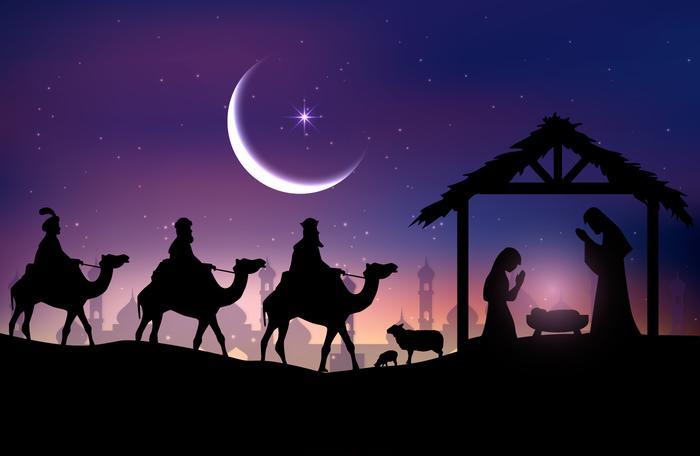
When they heard the king, they departed; and behold, the star which they had seen in the East went before them, till it came and stood over where the young Child was. When they saw the star, they rejoiced with exceedingly great joy. And when they had come into the house, they saw the young Child with Mary His mother, and fell down and worshiped Him. And when they had opened their treasures, they presented gifts to Him: gold, frankincense, and myrrh. Then, being divinely warned in a dream that they should not return to Herod, they departed for their own country another way”.
REFLECTIONS.
- Jesus was born among the Jews. But they were not concerned about their privilege; their political and religious leaders were mostly indifferent or hostile. Instead a representative group of Gentiles, the Wise Men, offered Jesus the worship due to him.
- The Magi were not kings. They were capable of interpreting dreams and of foreseeing the future by looking at the stars. In ancient times there was a belief that the birth of a ‘Great Man’ was accompanied by the appearance of a star in the sky. Jesus was that star.
- It was Jesus that the Magi had recognised and worshipped. The Magi stand for the people of the whole world who let themselves be guided by Jesus’ message of peace and love.
- They are the image of the Church, made up of people from every race, tribe, language and nation. Even today there are people who look at the ‘Star-Jesus’ in different ways. Some, like the Magi, fall to their knees (Mt 2,11): they see in Jesus the light of the world (Jn 8,12). Others are just indifferent, while others still may even try to put out that light.
- They all see the same thing: a newly- born child, but their response have been quite different. Who can recognise him? Only those who allow the light of the Holy Scripture, that speaks of him, to illumine them.
- The Magi, with their gifts, recognised Jesus as King (’gold’), High Priest (‘frankincense’), and Saviour (‘myrrh’: used to embalm the bodies of the dead). Jesus was to reign, not by force, but by love; and he was to rule men’s hearts, not from a throne, but from a Cross. The Latin word for ‘priest’ is ‘pontifex’ which means a ‘bridge-builder’.
- That is what Jesus did. He opened the way to God. He came into the world to live for men, and, at the end, to die for men. He came to give for men his life and his death: he became Saviour of all.
“THE THREE WISE MEN” (Mt 2,1-12)
“Now after Jesus was born in Bethlehem of Judea in the days of Herod the king, behold, wise men from the East came to Jerusalem, saying, "Where is He who has been born King of the Jews? For we have seen His star in the East and have come to worship Him.''
When Herod the king heard these things, he was troubled, and all Jerusalem with him. And when he had gathered all the chief priests and scribes of the people together, he inquired of them where the Christ was to be born. So they said to him, "In Bethlehem of Judea, for thus it is written by the prophet: ‘But you, Bethlehem, in the land of Judah, are not the least among the rulers of Judah; for out of you shall come a Ruler who will shepherd My people Israel.’
Then Herod, when he had secretly called the wise men, ascertained from them what time the star appeared. And he sent them to Bethlehem and said, "Go and search diligently for the young Child, and when you have found Him, bring back word to me, that I may come and worship Him also.''
When they heard the king, they departed; and behold, the star which they had seen in the East went before them, till it came and stood over where the young Child was. When they saw the star, they rejoiced with exceedingly great joy. And when they had come into the house, they saw the young Child with Mary His mother, and fell down and worshiped Him. And when they had opened their treasures, they presented gifts to Him: gold, frankincense, and myrrh. Then, being divinely warned in a dream that they should not return to Herod, they departed for their own country another way”.
REFLECTIONS.
- Jesus was born among the Jews. But they were not concerned about their privilege; their political and religious leaders were mostly indifferent or hostile. Instead a representative group of Gentiles, the Wise Men, offered Jesus the worship due to him.
- The Magi were not kings. They were capable of interpreting dreams and of foreseeing the future by looking at the stars. In ancient times there was a belief that the birth of a ‘Great Man’ was accompanied by the appearance of a star in the sky. Jesus was that star.
- It was Jesus that the Magi had recognised and worshipped. The Magi stand for the people of the whole world who let themselves be guided by Jesus’ message of peace and love.
- They are the image of the Church, made up of people from every race, tribe, language and nation. Even today there are people who look at the ‘Star-Jesus’ in different ways. Some, like the Magi, fall to their knees (Mt 2,11): they see in Jesus the light of the world (Jn 8,12). Others are just indifferent, while others still may even try to put out that light.
- They all see the same thing: a newly- born child, but their response have been quite different. Who can recognise him? Only those who allow the light of the Holy Scripture, that speaks of him, to illumine them.
- The Magi, with their gifts, recognised Jesus as King (’gold’), High Priest (‘frankincense’), and Saviour (‘myrrh’: used to embalm the bodies of the dead). Jesus was to reign, not by force, but by love; and he was to rule men’s hearts, not from a throne, but from a Cross. The Latin word for ‘priest’ is ‘pontifex’ which means a ‘bridge-builder’.
- That is what Jesus did. He opened the way to God. He came into the world to live for men, and, at the end, to die for men. He came to give for men his life and his death: he became Saviour of all.