
Fr. Vincent Munari sx
“AFTER THIS” is the beginning of this section of the Gospel, an indication of time and of something performed by Jesus. He had healed a man at the pool of Bethesda; a man who, then, carried his mat on the Sabbath day. The discussion with the Jews because the Sabbath rule was not respected became unavoidable.
After this Jesus moves to the other side of the lake ( v.1). John mentions “a large crowd”, repeats it at v. 5; underlines it by mentioning the problem of how to feed so many people(v. 7). There is also a note: the link with the Passover, the feast of the Jews ( v. 4). what is Jesus about to do?
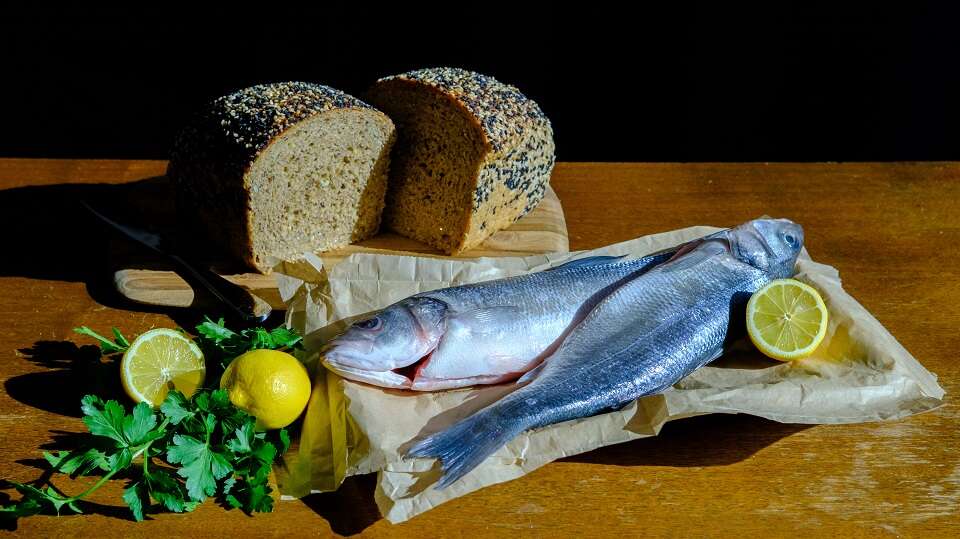
Something unexpected happens now: a boy with 5 loaves and 2 fish.
A boy who is ready to share, and this is the beginning of a miracle, a miracle of faith: this boy completely trusts Andrew the disciple, and risks to be short of food in the near future.
There is here a movement that puts in motion the miracle of the multiplication of bread and all begins through sharing. Many of our brothers and sisters suffer from hunger also today; it is not because there is not enough food for everybody in the world, it is because all that we have is not a sacrament (sign) of communion, but an excuse to grow in our selfish actions and considerations. We do not believe in the Providence of God, who is for everybody our Father and provider.
As a conclusion, let us underline the 3 verbs in this Sunday Gospel that indicate Jesus’ action: (See Ronchi “Alfabeto della vita”, p.90): He took, he gave thanks,
he gave out (v. 11).
These are the verbs that can make our lives a gospel, too. We humans can only take, express thanks and give out: we cannot (we are not entitled) to hold on, like the air in the lungs, (we will die if we do it), like the manna that, if kept for the following day, would rot.
Jesus tries to make us understand all this. But people want something different: they want God to be like a machine at their own service. Then Jesus withdrew to a deserted place again ( v.15), and we have to continue repeating over and over to ourselves and to all, until we are convinced: “It is in giving that we receive” (St. Francis of Assisi).
Giving not only fragments anyway. The best gift is the gift of life, a generous gift like the one of Jesus and of the Missionaries of His Gospel.
“AFTER THIS” is the beginning of this section of the Gospel, an indication of time and of something performed by Jesus. He had healed a man at the pool of Bethesda; a man who, then, carried his mat on the Sabbath day. The discussion with the Jews because the Sabbath rule was not respected became unavoidable.
After this Jesus moves to the other side of the lake ( v.1). John mentions “a large crowd”, repeats it at v. 5; underlines it by mentioning the problem of how to feed so many people(v. 7). There is also a note: the link with the Passover, the feast of the Jews ( v. 4). what is Jesus about to do?
Something unexpected happens now: a boy with 5 loaves and 2 fish.
A boy who is ready to share, and this is the beginning of a miracle, a miracle of faith: this boy completely trusts Andrew the disciple, and risks to be short of food in the near future.
There is here a movement that puts in motion the miracle of the multiplication of bread and all begins through sharing. Many of our brothers and sisters suffer from hunger also today; it is not because there is not enough food for everybody in the world, it is because all that we have is not a sacrament (sign) of communion, but an excuse to grow in our selfish actions and considerations. We do not believe in the Providence of God, who is for everybody our Father and provider.
As a conclusion, let us underline the 3 verbs in this Sunday Gospel that indicate Jesus’ action: (See Ronchi “Alfabeto della vita”, p.90): He took, he gave thanks,
he gave out (v. 11).
These are the verbs that can make our lives a gospel, too. We humans can only take, express thanks and give out: we cannot (we are not entitled) to hold on, like the air in the lungs, (we will die if we do it), like the manna that, if kept for the following day, would rot.
Jesus tries to make us understand all this. But people want something different: they want God to be like a machine at their own service. Then Jesus withdrew to a deserted place again ( v.15), and we have to continue repeating over and over to ourselves and to all, until we are convinced: “It is in giving that we receive” (St. Francis of Assisi).
Giving not only fragments anyway. The best gift is the gift of life, a generous gift like the one of Jesus and of the Missionaries of His Gospel.