
Fr. Michael Carlini sx
First Sunday of Advent
The new liturgical year begins with the meaningful season of Advent, which invites us to reflect on the coming of Jesus Christ. Properly Advent is not a preparation for Christmas but a contemplation of the second coming of the Son of God at the end of the world as the fulfilment and background of the first incarnation. Advent, in fact, fluctuates between these two appointments with Christ: the first one has already been experienced and the other one is yet to come, because it has not yet been completed. In the first coming, the Son of God became fragile, with no power whatsoever, assuming the fullness of humanity in Mary's womb. Thus God and the heavens have become closely linked and connected to our journey of men and women. In the second coming, at the end of the world, Christ will return visibly again to earth, no longer to become incarnate, but to "ratify" the fulfilment of the kingdom of God. This plan of salvation began in the first coming of the word of God, establishing a new network of relationships among all the members of the human family and between humanity and God. This is the legacy of his first coming which now reaches its fullness, as Paul says, the recapitulation of all creation, terrestrial and celestial under Christ’s dominion (Eph 1:10).
The Gospels foretells the coming of the day of God, that the Bible describes as tremendous. The inhabitants of Jerusalem experienced a terrible shock when they witnessed the destruction of the temple by the roman legion. And yet this terrible event was like a childbirth: the first Christians moved away from Judaism and begun to preach the word to the end of the earth, making the Church universal.
To emerge from isolation, which can also become religious isolationism, it is necessary to live in vigilance, that is, with our attention given to the events that happen and with the ability to grasp their significance and meaning in the light of the Lord's Resurrection. Being vigilant therefore does not mean being worried about what may happen of catastrophic nature, but being able to live in depth the life that unfolds every day.
St Paul offers us a clear example of a vigilant life: “let us give up all the things we prefer to do under cover of the dark; let us appear in the light. Let us live decently as people do in the daytime: no drunken orgies, no promiscuity or licentiousness, and no wrangling or jealousy” (2nd Reading).
The prophecy of Isaia c. 2 is ancient, but so actual: “They will hammer their swords into ploughshares, their spears into sickles. Nation will not lift sword against nation, there will be no more training for war”. Russia’s invasion and war on Ukraine faces all of us with the threat of a nuclear apocalypse. We hope that the coming of Christ on Christmas day bring the world the divine gift of peace.
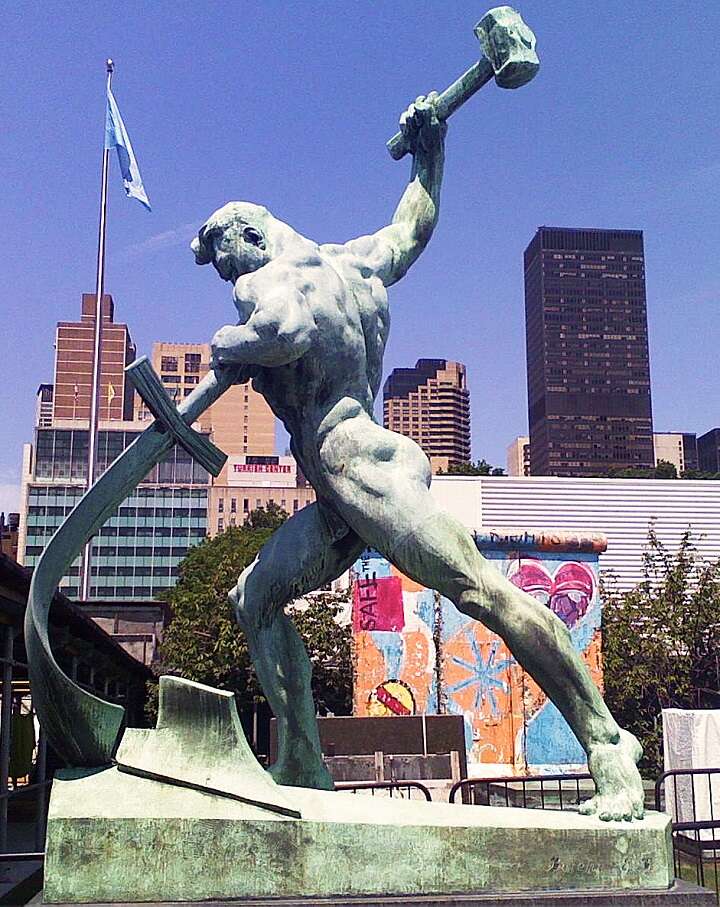
Let all the nations stop wasting resources for wars and weapons and allocate all the capitals for food security and a dignified life for all. At the garden at the United Nations building there is a statue (by Yevgeny Vuchetich, 1959) representing the turning of swords into ploughshares. Let the vision of Isaiah become a reality, at last.
First Sunday of Advent
The new liturgical year begins with the meaningful season of Advent, which invites us to reflect on the coming of Jesus Christ. Properly Advent is not a preparation for Christmas but a contemplation of the second coming of the Son of God at the end of the world as the fulfilment and background of the first incarnation. Advent, in fact, fluctuates between these two appointments with Christ: the first one has already been experienced and the other one is yet to come, because it has not yet been completed. In the first coming, the Son of God became fragile, with no power whatsoever, assuming the fullness of humanity in Mary's womb. Thus God and the heavens have become closely linked and connected to our journey of men and women. In the second coming, at the end of the world, Christ will return visibly again to earth, no longer to become incarnate, but to "ratify" the fulfilment of the kingdom of God. This plan of salvation began in the first coming of the word of God, establishing a new network of relationships among all the members of the human family and between humanity and God. This is the legacy of his first coming which now reaches its fullness, as Paul says, the recapitulation of all creation, terrestrial and celestial under Christ’s dominion (Eph 1:10).
The Gospels foretells the coming of the day of God, that the Bible describes as tremendous. The inhabitants of Jerusalem experienced a terrible shock when they witnessed the destruction of the temple by the roman legion. And yet this terrible event was like a childbirth: the first Christians moved away from Judaism and begun to preach the word to the end of the earth, making the Church universal.
To emerge from isolation, which can also become religious isolationism, it is necessary to live in vigilance, that is, with our attention given to the events that happen and with the ability to grasp their significance and meaning in the light of the Lord's Resurrection. Being vigilant therefore does not mean being worried about what may happen of catastrophic nature, but being able to live in depth the life that unfolds every day.
St Paul offers us a clear example of a vigilant life: “let us give up all the things we prefer to do under cover of the dark; let us appear in the light. Let us live decently as people do in the daytime: no drunken orgies, no promiscuity or licentiousness, and no wrangling or jealousy” (2nd Reading).
The prophecy of Isaia c. 2 is ancient, but so actual: “They will hammer their swords into ploughshares, their spears into sickles. Nation will not lift sword against nation, there will be no more training for war”. Russia’s invasion and war on Ukraine faces all of us with the threat of a nuclear apocalypse. We hope that the coming of Christ on Christmas day bring the world the divine gift of peace.
Let all the nations stop wasting resources for wars and weapons and allocate all the capitals for food security and a dignified life for all. At the garden at the United Nations building there is a statue (by Yevgeny Vuchetich, 1959) representing the turning of swords into ploughshares. Let the vision of Isaiah become a reality, at last.