
Fr. Adolph Guy
My beloved brothers and sisters, on this first day of the year, I wholeheartedly wish to each and every one of you a happy and prosperous year 2023. May I request to each of you to whisper to the one at your right hand a happy new year and to do the same to the one at your left hand? Aside from being the first day of the year which, this time, falls on a Sunday, two other aurae surround this date. To start with, on this day the Church calls all her sons and daughters to celebrate the feast of Mary, the Mother of God. In addition, and without affecting the feast of Mary, the Mother of God, saint pope Paul VI declared in 1967 that January 1 would also be observed as World Day of Peace. On the occasion of the first celebration of World Day of Peace, on January 1, 1968, Saint Paul VI stated the main purpose of this celebration: to observe the day of peace on the threshold of a new year alludes to our hope and promise that peace will “dominate the development of events to come.”[1] Put differently, we entrust the new year under the intercession of Mary, the Mother of God as she journeys with us along the year toward the ultimate Peace that is found in Jesus Christ. Thus, the feast of Mary, the Mother of God and the World Day of Peace are the main points of this sharing.
The mother is everything
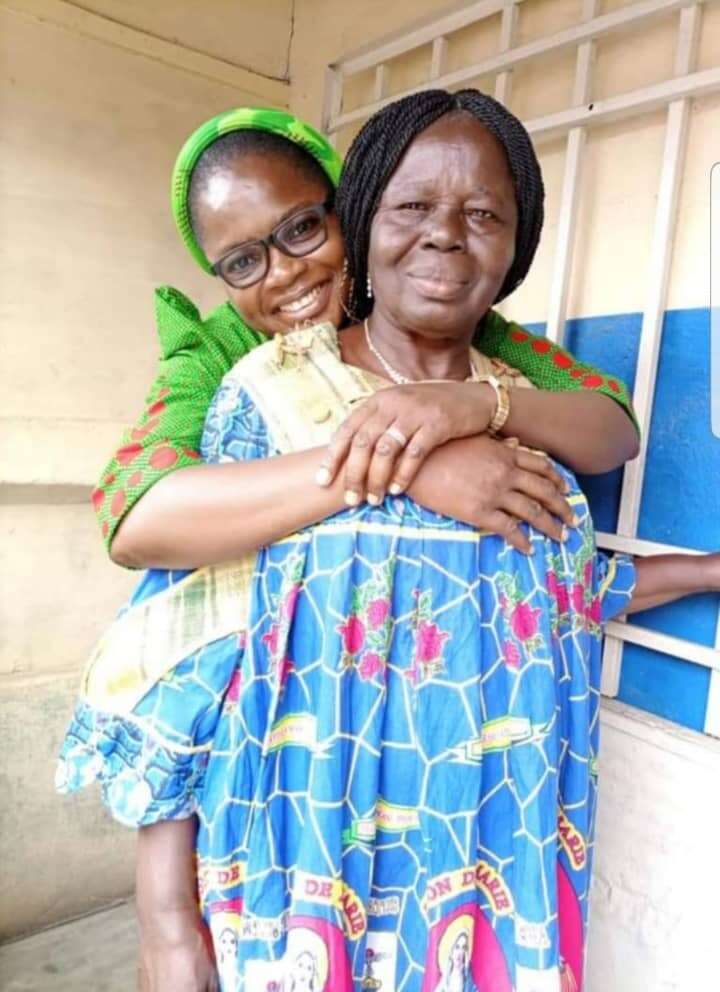
We are celebrating the Blessed Virgin Mary, the Mother of God. Who is a mother? For some of us, a mother is all we have. My short and humble ministry in a rural area has shown me how women are at the center of everything. This is even more critical in societies where men can still have more than one wife, as it is the case in several parts of Africa. The reproduction work: parenting, caring, educating, and the likes are all entrusted to her. This is how her normal day activities may look like: early in the morning, she is in the stream of water either to fetch water or to do the laundry and sometimes even both. Then she will cook for her children and husband before going to the farm or market. On her way back home at the end of the day, she will stop somewhere to collect wood for the evening cooking. Sometimes she has a small baby on her back or is heavily pregnant while performing these tasks. Only God knows if some of them manage to sleep at night for one reason or the other. Through the youth ministry, I happened to understand that most hurtful insults which can break friendship and disrupt everything in a blink of an eye among the youth is the invective oriented toward the person of the mother. The reason is simple because the mother gives and supports life. She is everything.
Mary is beyond the average mother
The Blessed Virgin Mother went beyond the ordinary work of a mother. As a matter of fact, different gospels depict her humanly performing her duty as a mother. In his Mercy: The Essence of the Gospel and the key to Christian Life under the subsection titled “Mary in the Gospels of the section Mary, Mother of Mercy,” Cardinal Kasper talks of Mary as a pilgrim walking on the way of faith:
“Mary, the woman of the people, had to bear and survive many difficulties and hardships: childbirth in an emergency shelter; the flight to Egypt; the search for her child; her disconcertment over the public life of her son, whom she wanted to keep at home with his family; and finally her brave endurance under her son’s cross. She was spared nothing.”
Mary in our faith and prayer life
There are sometimes extrapolations in the way the faithful express the Church’s teachings on the person of the Blessed Virgin Mary in our life of faith. Some of these extrapolations are repeated in forms of prayers and songs. However, the Church continues to polish our understanding of the person and the role of the Virgin Mary in our Christian faith. First, the Blessed Virgin Mary is a human being. Therefore, we do not worship her, for the very act of worship is due only to God. At the same time, though she is a human being, the Blessed Virgin stands out from the rest of humanity because God favored her, and she said yes to God’s plan. That is why we venerate her. Moreover, all the titles under which we invoke the Blessed Virgin Mary neither detract from nor add to the work of Christ who remains the only mediator (LG 62). Among other titles just to single out few, in the council of Ephesus (431 CE), she was named God-bearer. The Vatican II gave her the title of “The Mother of the Redeemer” (LG 53), pope Benedict XVI who has just passed away this morning called Mary, the Star of hope (Spes Salvi, 49).
A clear understanding of the person and the role of the Blessed Virgin Mary in Christian life leads people closer to her and she brings us closer to her Son, our Lord Jesus Christ through prayer. The Church has made available to her sons and daughters various works of art, hymns, and prayers to foster devotion to the Blessed Mother. The most common are: the recitation of the holy rosary and the angelus. There are other Marian devotions, to name but two, the Mother of Perpetual Help and Mary Undoer of Knots.
With the help of Mary, we journey in peace
Through prayers the Blessed Virgin Mary draws us closer to her Son, Jesus Christ as she intercedes for us to him. In the first reading (Num. 6:22-27) we hear how the Lord God instructs Aaron through Moses on how to bless the people. Scholars tell us that these triple blessings are part of a remote custom of Israel. They impart “a wish for grace and peace.” “To be able to walk in the way of peace, people needed to be illumined by the face of God and to blessed by his ‘Name’.”[2] The shepherds were moved also by the praise uttered by heavenly host: “Glory to God in the highest heaven, and on earth peace among those whom he favors” (Lk 2:14). The Hebrew word for peace is shalom which means wellbeing. It implies more than the absence of war. For instance, during the covid-19 period there was not a single gunshot around us, but the world was not enjoying wellbeing as there were too much suffering and many people lost the trust in each other. We were obliged to live in confinement. In celebrating Christmas, we are reminded that true peace comes from the encounter with the newborn Jesus, as the shepherds did. We thank the Lord God for his great love for humanity. We venerate Mary, the Mother of God because God favored her and she accepted wholeheartedly the plan of God in her life. In conclusion, the last words belong to the holy father, Pope Francis, on this 56th World Day of Peace:
“… it is my hope that in the coming New Year we can journey together, valuing the lessons that history has to teach us. I offer my best wishes to Heads of State and Government, to Heads of International Organizations, and to the leaders of the different religions. To all men and women of good will I express my prayerful trust that, as artisans of peace, they may work, day by day, to make this a good year! May Mary Immaculate, Mother of Jesus and Queen of Peace, intercede for us and for the whole world.”
[1] Saint Pope Paul VI, Peace Day, 1968
[2] Benedict XV, Holy Days: January 1: Solemnity of Mary, the Mother of God.
My beloved brothers and sisters, on this first day of the year, I wholeheartedly wish to each and every one of you a happy and prosperous year 2023. May I request to each of you to whisper to the one at your right hand a happy new year and to do the same to the one at your left hand? Aside from being the first day of the year which, this time, falls on a Sunday, two other aurae surround this date. To start with, on this day the Church calls all her sons and daughters to celebrate the feast of Mary, the Mother of God. In addition, and without affecting the feast of Mary, the Mother of God, saint pope Paul VI declared in 1967 that January 1 would also be observed as World Day of Peace. On the occasion of the first celebration of World Day of Peace, on January 1, 1968, Saint Paul VI stated the main purpose of this celebration: to observe the day of peace on the threshold of a new year alludes to our hope and promise that peace will “dominate the development of events to come.”[1] Put differently, we entrust the new year under the intercession of Mary, the Mother of God as she journeys with us along the year toward the ultimate Peace that is found in Jesus Christ. Thus, the feast of Mary, the Mother of God and the World Day of Peace are the main points of this sharing.
The mother is everything
We are celebrating the Blessed Virgin Mary, the Mother of God. Who is a mother? For some of us, a mother is all we have. My short and humble ministry in a rural area has shown me how women are at the center of everything. This is even more critical in societies where men can still have more than one wife, as it is the case in several parts of Africa. The reproduction work: parenting, caring, educating, and the likes are all entrusted to her. This is how her normal day activities may look like: early in the morning, she is in the stream of water either to fetch water or to do the laundry and sometimes even both. Then she will cook for her children and husband before going to the farm or market. On her way back home at the end of the day, she will stop somewhere to collect wood for the evening cooking. Sometimes she has a small baby on her back or is heavily pregnant while performing these tasks. Only God knows if some of them manage to sleep at night for one reason or the other. Through the youth ministry, I happened to understand that most hurtful insults which can break friendship and disrupt everything in a blink of an eye among the youth is the invective oriented toward the person of the mother. The reason is simple because the mother gives and supports life. She is everything.
Mary is beyond the average mother
The Blessed Virgin Mother went beyond the ordinary work of a mother. As a matter of fact, different gospels depict her humanly performing her duty as a mother. In his Mercy: The Essence of the Gospel and the key to Christian Life under the subsection titled “Mary in the Gospels of the section Mary, Mother of Mercy,” Cardinal Kasper talks of Mary as a pilgrim walking on the way of faith:
“Mary, the woman of the people, had to bear and survive many difficulties and hardships: childbirth in an emergency shelter; the flight to Egypt; the search for her child; her disconcertment over the public life of her son, whom she wanted to keep at home with his family; and finally her brave endurance under her son’s cross. She was spared nothing.”
Mary in our faith and prayer life
There are sometimes extrapolations in the way the faithful express the Church’s teachings on the person of the Blessed Virgin Mary in our life of faith. Some of these extrapolations are repeated in forms of prayers and songs. However, the Church continues to polish our understanding of the person and the role of the Virgin Mary in our Christian faith. First, the Blessed Virgin Mary is a human being. Therefore, we do not worship her, for the very act of worship is due only to God. At the same time, though she is a human being, the Blessed Virgin stands out from the rest of humanity because God favored her, and she said yes to God’s plan. That is why we venerate her. Moreover, all the titles under which we invoke the Blessed Virgin Mary neither detract from nor add to the work of Christ who remains the only mediator (LG 62). Among other titles just to single out few, in the council of Ephesus (431 CE), she was named God-bearer. The Vatican II gave her the title of “The Mother of the Redeemer” (LG 53), pope Benedict XVI who has just passed away this morning called Mary, the Star of hope (Spes Salvi, 49).
A clear understanding of the person and the role of the Blessed Virgin Mary in Christian life leads people closer to her and she brings us closer to her Son, our Lord Jesus Christ through prayer. The Church has made available to her sons and daughters various works of art, hymns, and prayers to foster devotion to the Blessed Mother. The most common are: the recitation of the holy rosary and the angelus. There are other Marian devotions, to name but two, the Mother of Perpetual Help and Mary Undoer of Knots.
With the help of Mary, we journey in peace
Through prayers the Blessed Virgin Mary draws us closer to her Son, Jesus Christ as she intercedes for us to him. In the first reading (Num. 6:22-27) we hear how the Lord God instructs Aaron through Moses on how to bless the people. Scholars tell us that these triple blessings are part of a remote custom of Israel. They impart “a wish for grace and peace.” “To be able to walk in the way of peace, people needed to be illumined by the face of God and to blessed by his ‘Name’.”[2] The shepherds were moved also by the praise uttered by heavenly host: “Glory to God in the highest heaven, and on earth peace among those whom he favors” (Lk 2:14). The Hebrew word for peace is shalom which means wellbeing. It implies more than the absence of war. For instance, during the covid-19 period there was not a single gunshot around us, but the world was not enjoying wellbeing as there were too much suffering and many people lost the trust in each other. We were obliged to live in confinement. In celebrating Christmas, we are reminded that true peace comes from the encounter with the newborn Jesus, as the shepherds did. We thank the Lord God for his great love for humanity. We venerate Mary, the Mother of God because God favored her and she accepted wholeheartedly the plan of God in her life. In conclusion, the last words belong to the holy father, Pope Francis, on this 56th World Day of Peace:
“… it is my hope that in the coming New Year we can journey together, valuing the lessons that history has to teach us. I offer my best wishes to Heads of State and Government, to Heads of International Organizations, and to the leaders of the different religions. To all men and women of good will I express my prayerful trust that, as artisans of peace, they may work, day by day, to make this a good year! May Mary Immaculate, Mother of Jesus and Queen of Peace, intercede for us and for the whole world.”
[1] Saint Pope Paul VI, Peace Day, 1968
[2] Benedict XV, Holy Days: January 1: Solemnity of Mary, the Mother of God.