
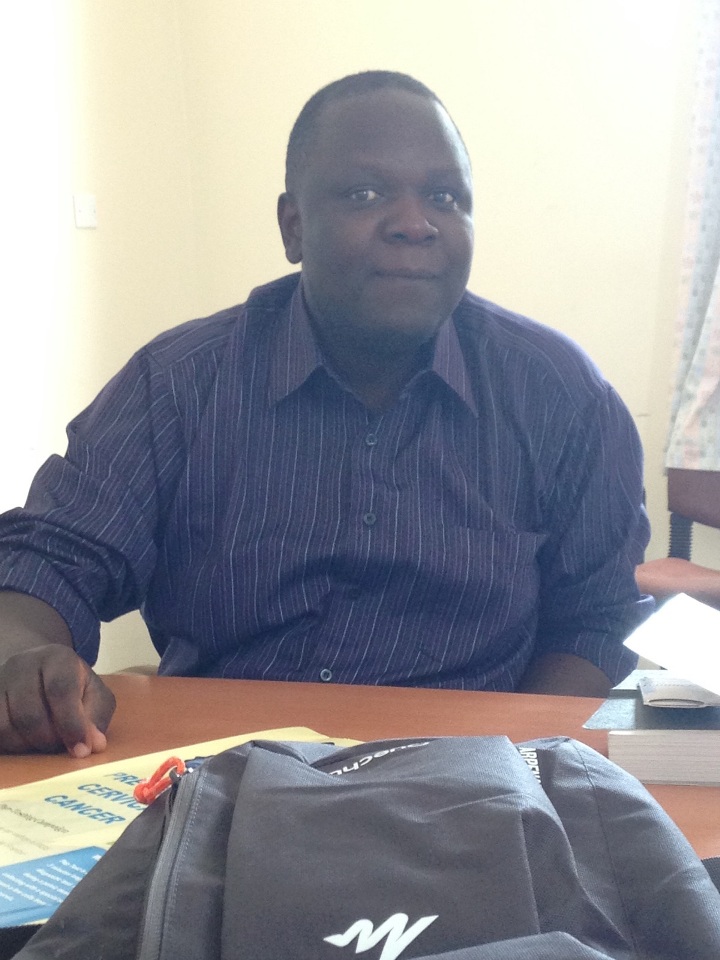
Bro, Bonaventure Muswi, MI
I remember my three months (June - September, 2015) experience as the Camillian Task Force Coordinator in the Diocese of Makeni, Sierra Leone, with a lot of nostalgia.
It is so far my lifetime experience that I will never forget: from the country entry point at Lungi to the centre of the country Yele; Free town the capital city; the current President’s home town of Makeni, and - I guess - the whole of Sierra Leone! One reality I always appreciated - and any visitor will agree with me - is that Sierra Leoneans are very welcoming and hospitable people.
It is said that every person has fear of the unknown and as much as this is a normal fear, prior to my coming to ‘Salone’, I must confess that I had a lot of it. Coming from East Africa to West Africa, I knew that culture, language, food, people, and above all the deadly disease of ebola, the fatality of which has led to loss of many lives, were all waiting for me.
The Xaverian Missionaries in the Diocese of Makeni were my hosts throughout my stay, and this is where my life in the missions got an entirely new meaning, different from what I thought and feared it would be. I felt at home from the first day, when I joined their community. A warm welcome from the superior of the house, Fr. Luis, and from Fr. Jerome, the parish priest of St. Conforti parish and his able curate, Fr. Patrick, awaited me. The following day, Fr. Natale and Fr Carlo returned to the community from their trip: they too received me with kindness and warmth.
My three months stay with them was full of joy and happiness. I was privileged to interact and share my life with young and old Religious, full of life experience, simplicity, generosity and humour, too. I miss the jokes of Fr. Luis: he always keeps the community alive; Fr. Jerome and Fr Patrick, the great homilists, whose sermons reflect reality rather than utopia. In fact, I once suggested to Fr Patrick that their homilies be recorded for other people's benefit. The simplicity of Fr. Natale is something I greatly admired. Although he is a 'big man' in the church, he never lets this affect his attitude in the community: he is like anybody else, he is available for service like anybody else. May God shower on him His spirit as he is about to take on a new responsibility as the Sheperd of his people in the Diocese of Makeni. Thanks a lot to the the Xaverians through their Regional, Fr. Carlo, for the hospitality accorded to me and to my confreres before me. May God bless them all and their mission!
Concerning the psychosocial support program I was coordinating in the diocese of Makeni, there is no doubt that the Camillians arrived at the right time, as the psychological health of those affected by Ebola needed urgent attention, too. Thanks a lot to the Diocese of Makeni, through the Apostolic Administrator for accepting the Camillians in the Diocese.
From the interaction I had with the survivors of ebola, it is indeed true that most of them today suffer deeply from psychological trauma, due to an overwhelming amount of stress, caused by the deaths of their loved ones.
Having visited more than 300 post Ebola survivors in the diocese of Makeni, I find the following to be the great contributors to their stress:
- Guilt - Most of them feel that they are to blame for the death of their loved ones. One survivor said how after one of her daughter died, he warned his other children not to enter the room, as he went to call the burial team. But he did not lock the door,so when he came back, he found the children in that room. They had touched the dead body and five of them died.
Another one told how he sent his sister, against the will of her husband, to nurse their mother who was sick, and she too was infected and died.
- Stigma - In some places the survivors have not been well received as people fear that they may infect them. A survivor once told how he nearly came to blows with his neighbour, who referred to his house as the house of ebola.
Stigma has also led to mistrust and fear among the families and relatives who used to be very close
- Denial - With the culture of washing the body after death, those who died and were buried in undisclosed centers by the burial teams, were believed not to have died. There are cases where the survivors still feel that their dead relatives will come back.
Survivors have said that they have ‘seen’ their dead relatives in the garden and in market places.
- Poverty - Many people, especially those who were depending on the deceased, cannot take care of themselves and their close relatives. This has led to deprivation and concern about how to provide their basic needs for survival.
- Physical sickness - Most of the survivors who passed through the treatment centers have complained of eye and ear problems. This has caused worry and anxiety for them, and they fear for their lives.
- Insomnia - Some have reported lack of sleep as memories of the events and experiences concerning their loved ones keep recurring. This has also caused nightmares.
The work of the Camillians in such situation of stress has had positive results in places like India and the Philippines. Sierra Leone is the first African country where the Camillians are applying the same approach. The trained facilitators are trying their best while journeying with their groups towards recovery. This has been possible especially through conditional cash transfer, given to the survivors for their upkeep, visitation to the families, group discussions during group therapy sessions, role plays by the survivors themselves in the group and prayer meetings.
Bearing in mind that we all need totality of wellbeing, both in mind and body, we should not forget the fact that the psychological trauma is a silent killer, which is slowly but surely affecting post Ebola victims in their path of recovery; and therefore any intervention in this regard should be fully supported.
I remember my three months (June - September, 2015) experience as the Camillian Task Force Coordinator in the Diocese of Makeni, Sierra Leone, with a lot of nostalgia.
It is so far my lifetime experience that I will never forget: from the country entry point at Lungi to the centre of the country Yele; Free town the capital city; the current President’s home town of Makeni, and - I guess - the whole of Sierra Leone! One reality I always appreciated - and any visitor will agree with me - is that Sierra Leoneans are very welcoming and hospitable people.
It is said that every person has fear of the unknown and as much as this is a normal fear, prior to my coming to ‘Salone’, I must confess that I had a lot of it. Coming from East Africa to West Africa, I knew that culture, language, food, people, and above all the deadly disease of ebola, the fatality of which has led to loss of many lives, were all waiting for me.
The Xaverian Missionaries in the Diocese of Makeni were my hosts throughout my stay, and this is where my life in the missions got an entirely new meaning, different from what I thought and feared it would be. I felt at home from the first day, when I joined their community. A warm welcome from the superior of the house, Fr. Luis, and from Fr. Jerome, the parish priest of St. Conforti parish and his able curate, Fr. Patrick, awaited me. The following day, Fr. Natale and Fr Carlo returned to the community from their trip: they too received me with kindness and warmth.
My three months stay with them was full of joy and happiness. I was privileged to interact and share my life with young and old Religious, full of life experience, simplicity, generosity and humour, too. I miss the jokes of Fr. Luis: he always keeps the community alive; Fr. Jerome and Fr Patrick, the great homilists, whose sermons reflect reality rather than utopia. In fact, I once suggested to Fr Patrick that their homilies be recorded for other people's benefit. The simplicity of Fr. Natale is something I greatly admired. Although he is a 'big man' in the church, he never lets this affect his attitude in the community: he is like anybody else, he is available for service like anybody else. May God shower on him His spirit as he is about to take on a new responsibility as the Sheperd of his people in the Diocese of Makeni. Thanks a lot to the the Xaverians through their Regional, Fr. Carlo, for the hospitality accorded to me and to my confreres before me. May God bless them all and their mission!
Concerning the psychosocial support program I was coordinating in the diocese of Makeni, there is no doubt that the Camillians arrived at the right time, as the psychological health of those affected by Ebola needed urgent attention, too. Thanks a lot to the Diocese of Makeni, through the Apostolic Administrator for accepting the Camillians in the Diocese.
From the interaction I had with the survivors of ebola, it is indeed true that most of them today suffer deeply from psychological trauma, due to an overwhelming amount of stress, caused by the deaths of their loved ones.
Having visited more than 300 post Ebola survivors in the diocese of Makeni, I find the following to be the great contributors to their stress:
- Guilt - Most of them feel that they are to blame for the death of their loved ones. One survivor said how after one of her daughter died, he warned his other children not to enter the room, as he went to call the burial team. But he did not lock the door,so when he came back, he found the children in that room. They had touched the dead body and five of them died.
Another one told how he sent his sister, against the will of her husband, to nurse their mother who was sick, and she too was infected and died.
- Stigma - In some places the survivors have not been well received as people fear that they may infect them. A survivor once told how he nearly came to blows with his neighbour, who referred to his house as the house of ebola.
Stigma has also led to mistrust and fear among the families and relatives who used to be very close
- Denial - With the culture of washing the body after death, those who died and were buried in undisclosed centers by the burial teams, were believed not to have died. There are cases where the survivors still feel that their dead relatives will come back.
Survivors have said that they have ‘seen’ their dead relatives in the garden and in market places.
- Poverty - Many people, especially those who were depending on the deceased, cannot take care of themselves and their close relatives. This has led to deprivation and concern about how to provide their basic needs for survival.
- Physical sickness - Most of the survivors who passed through the treatment centers have complained of eye and ear problems. This has caused worry and anxiety for them, and they fear for their lives.
- Insomnia - Some have reported lack of sleep as memories of the events and experiences concerning their loved ones keep recurring. This has also caused nightmares.
The work of the Camillians in such situation of stress has had positive results in places like India and the Philippines. Sierra Leone is the first African country where the Camillians are applying the same approach. The trained facilitators are trying their best while journeying with their groups towards recovery. This has been possible especially through conditional cash transfer, given to the survivors for their upkeep, visitation to the families, group discussions during group therapy sessions, role plays by the survivors themselves in the group and prayer meetings.
Bearing in mind that we all need totality of wellbeing, both in mind and body, we should not forget the fact that the psychological trauma is a silent killer, which is slowly but surely affecting post Ebola victims in their path of recovery; and therefore any intervention in this regard should be fully supported.