
Fr. Jerome Pistoni, sx
FIFTEENTH SUNDAY IN ORDINARY TIME
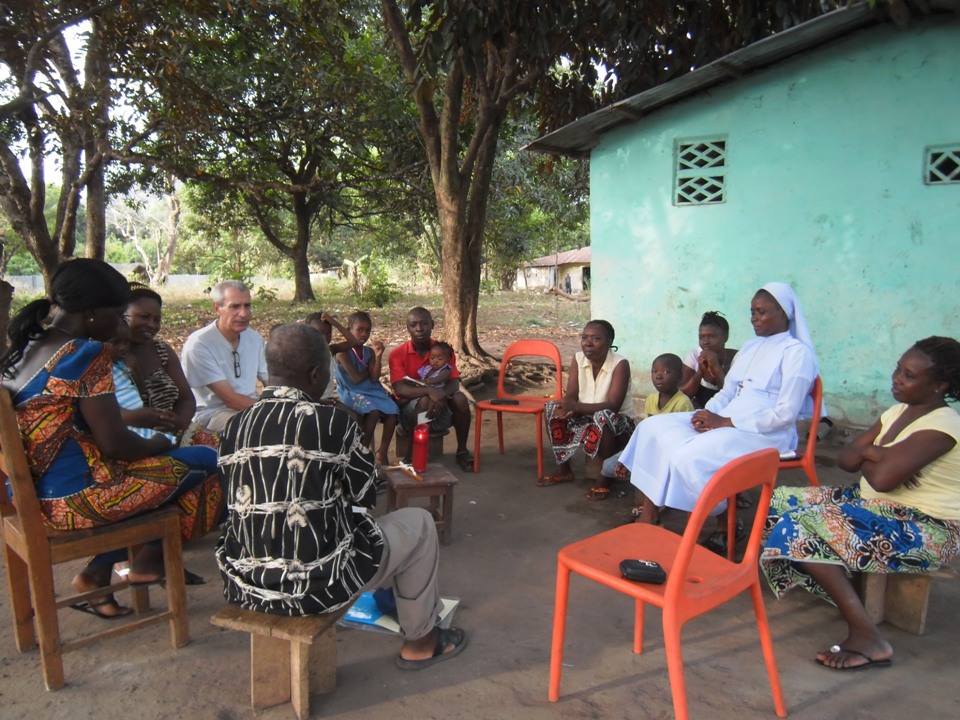
“The word is near to you, it is in your mouth and in your heart for your observance” When we gather in the prayer meetings and after listening to the word of God (we do not understand it yet, but it is in the mouth of the one who reads it) we ask ourselves: “what has touched you in the passage we have just read”?
Each one of us communicates something for the others to listen and thanks to this sharing the word commented by others, (it is in their mouth), enter in our hearts, we understand it better.
It is not only through a personal meditation that we understand the word, but by listening what the other tells us from their own experience.
It is what happens today in the gospel.
A man approaches Jesus. He is a Pharisee, a doctor in the knowledge of the bible. We do not know his name. He presents himself with a humble attitude even if the intention does not look good: He does not want to learn something from Jesus, but to disconcert him.
The dialogue is interesting because Jesus does not answer the two questions of the Pharisee, but invites him to think by asking three questions instead, so that he can discover the truth that is already hidden in his heart.
“What must I do to inherit eternal life”? Even if he wants to disconcert Jesus, the question is noble. Some would have asked Jesus for health, or power or others things that would have improved their lives. He wants to know how to go nearer to God.
Jesus does not give him the answer, he guides him to discover the truth present already in his heart, but that he is unable to see: “What is written in the law? What do you read there”?
And quoting two passages of the Old Testament the Pharisees passes the exam, answering correctly.
“Do this and life is yours” are the last words of Jesus. Knowledge is good but it remains useless if it does not change daily behaviours.
Second question of the Pharisee: “My neighbours, according to the bible, are only the persons I like: who is our neighbour, for you Jesus”?
And he tells the story of the Samaritan who helps a victim of brigands and we heard it from primary school. A priest passing by, after spending one week of service in the Temple, noticing the victim by the side of the road, changes direction in order to avoid him; the same does a sacristan (Levite) coming back after helping the priest in the Temple.
Instead the Samaritan stops and his action is described with ten verbs (the new commandments?) and takes care of him.
At the end of the story Jesus does not draw the lesson for the Pharisee, he does not provide him with the answer he is looking for, but he invites him to think by asking the last question:
“Which of these three proved himself to be a neighbour to the man who fell into the brigands hands?”
“The one who took pity on him” was the correct answer.
For the second time Jesus tells the Pharisee: go and do the same yourself.
FIFTEENTH SUNDAY IN ORDINARY TIME
“The word is near to you, it is in your mouth and in your heart for your observance” When we gather in the prayer meetings and after listening to the word of God (we do not understand it yet, but it is in the mouth of the one who reads it) we ask ourselves: “what has touched you in the passage we have just read”?
Each one of us communicates something for the others to listen and thanks to this sharing the word commented by others, (it is in their mouth), enter in our hearts, we understand it better.
It is not only through a personal meditation that we understand the word, but by listening what the other tells us from their own experience.
It is what happens today in the gospel.
A man approaches Jesus. He is a Pharisee, a doctor in the knowledge of the bible. We do not know his name. He presents himself with a humble attitude even if the intention does not look good: He does not want to learn something from Jesus, but to disconcert him.
The dialogue is interesting because Jesus does not answer the two questions of the Pharisee, but invites him to think by asking three questions instead, so that he can discover the truth that is already hidden in his heart.
“What must I do to inherit eternal life”? Even if he wants to disconcert Jesus, the question is noble. Some would have asked Jesus for health, or power or others things that would have improved their lives. He wants to know how to go nearer to God.
Jesus does not give him the answer, he guides him to discover the truth present already in his heart, but that he is unable to see: “What is written in the law? What do you read there”?
And quoting two passages of the Old Testament the Pharisees passes the exam, answering correctly.
“Do this and life is yours” are the last words of Jesus. Knowledge is good but it remains useless if it does not change daily behaviours.
Second question of the Pharisee: “My neighbours, according to the bible, are only the persons I like: who is our neighbour, for you Jesus”?
And he tells the story of the Samaritan who helps a victim of brigands and we heard it from primary school. A priest passing by, after spending one week of service in the Temple, noticing the victim by the side of the road, changes direction in order to avoid him; the same does a sacristan (Levite) coming back after helping the priest in the Temple.
Instead the Samaritan stops and his action is described with ten verbs (the new commandments?) and takes care of him.
At the end of the story Jesus does not draw the lesson for the Pharisee, he does not provide him with the answer he is looking for, but he invites him to think by asking the last question:
“Which of these three proved himself to be a neighbour to the man who fell into the brigands hands?”
“The one who took pity on him” was the correct answer.
For the second time Jesus tells the Pharisee: go and do the same yourself.