
Fr. Michael Carlini, sx
SIXTEENTH SUNDAY IN ORDINARY TIME
The first reading and the Gospel of the Mass both have the same theme: that of hospitality. Three men on a journey were welcomed by Abraham and his wife Sarah. The day was growing hot (Gen 18: 1) and Abraham begged them to accept what he and his wife had to share: water, shade from a tree, bread and meat.
The Xaverian Missionaries are present in many nations of the world, and if you happen to hear them speaking about the cultures of the world, they will always say that hospitality is considered sacred in each country of our planet. The bible gives us this precious admonishment: “Do not neglect hospitality, for through it some have unknowingly entertained angels” (Hebrews 13:2). This corresponds exactly with the episode of the first reading. Abraham is our common father: if we want to be considered his children, we have to behave in the same way.
Hospitality as ethical pattern
The welcoming attitude of Abraham and Sarah is more than just a good example to be imitated; hospitality is an ethical pattern, hospitality must emerge from all my actions towards any person I meet in my journey: it is my code of reference. Once he had offered the three men water to refresh, Abraham himself went to his herd, to pick the animal for the meal. He had many servants (to roast the meat) but he personally wanted to choose the best animal, to make sure the guests would be treated as if in a ‘five star’ hotel. The Lord rewarded the generous couple and gave Sarah a child after one year.
The house of Bethany
Martha welcomes Jesus into her house. She prepares the necessary food, and her sister Mary sits at the feet of their guest. Both actions (cooking and dialogue with the guest) are the two concrete ways by which human beings express their care for the person entering the home. Perhaps Martha, in her desire to please Jesus, decided to prepare more than one course for the meal. She put too many pots on the fire, and she was running late. Jesus reminds Martha that we should eat together, and not be distracted. The most important thing is to spend time with each other, to communicate and to listen to each other. Let us not do so many things for Jesus and then forget to be in communion with him.
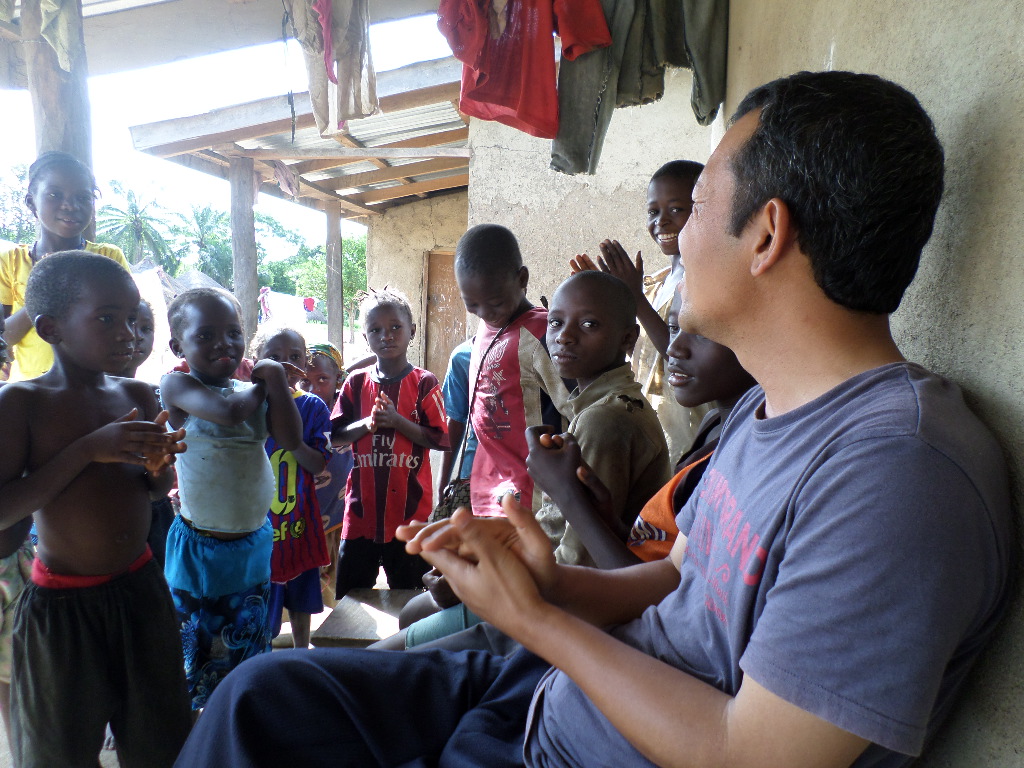
How much room is there left in our world for acceptance of the others? Every day we watch the news with images of masses of people who flee their land in search of a safer environment: are the richer Nations open to give relief to these migrants or is it easier to build walls? Do we still believe that any man who passes in front of our tent, is indeed an angel sent by God? Let our homes become like the house of Bethany, where Martha, Mary and Lazarus welcomed Jesus and gave him perhaps the happiest time in his life and ministry. We Xaverians, who leave our native Countries, have the privilege to experience the hospitality and cordiality of those who welcome us in their homes: the world is our house of Bethany.
SIXTEENTH SUNDAY IN ORDINARY TIME
The first reading and the Gospel of the Mass both have the same theme: that of hospitality. Three men on a journey were welcomed by Abraham and his wife Sarah. The day was growing hot (Gen 18: 1) and Abraham begged them to accept what he and his wife had to share: water, shade from a tree, bread and meat.
The Xaverian Missionaries are present in many nations of the world, and if you happen to hear them speaking about the cultures of the world, they will always say that hospitality is considered sacred in each country of our planet. The bible gives us this precious admonishment: “Do not neglect hospitality, for through it some have unknowingly entertained angels” (Hebrews 13:2). This corresponds exactly with the episode of the first reading. Abraham is our common father: if we want to be considered his children, we have to behave in the same way.
Hospitality as ethical pattern
The welcoming attitude of Abraham and Sarah is more than just a good example to be imitated; hospitality is an ethical pattern, hospitality must emerge from all my actions towards any person I meet in my journey: it is my code of reference. Once he had offered the three men water to refresh, Abraham himself went to his herd, to pick the animal for the meal. He had many servants (to roast the meat) but he personally wanted to choose the best animal, to make sure the guests would be treated as if in a ‘five star’ hotel. The Lord rewarded the generous couple and gave Sarah a child after one year.
The house of Bethany
Martha welcomes Jesus into her house. She prepares the necessary food, and her sister Mary sits at the feet of their guest. Both actions (cooking and dialogue with the guest) are the two concrete ways by which human beings express their care for the person entering the home. Perhaps Martha, in her desire to please Jesus, decided to prepare more than one course for the meal. She put too many pots on the fire, and she was running late. Jesus reminds Martha that we should eat together, and not be distracted. The most important thing is to spend time with each other, to communicate and to listen to each other. Let us not do so many things for Jesus and then forget to be in communion with him.
How much room is there left in our world for acceptance of the others? Every day we watch the news with images of masses of people who flee their land in search of a safer environment: are the richer Nations open to give relief to these migrants or is it easier to build walls? Do we still believe that any man who passes in front of our tent, is indeed an angel sent by God? Let our homes become like the house of Bethany, where Martha, Mary and Lazarus welcomed Jesus and gave him perhaps the happiest time in his life and ministry. We Xaverians, who leave our native Countries, have the privilege to experience the hospitality and cordiality of those who welcome us in their homes: the world is our house of Bethany.