
Fr. Michael Carlini sx
Comment of the Readings of the 27th Sunday OT – Year A
Fr. Michael Carlini sx
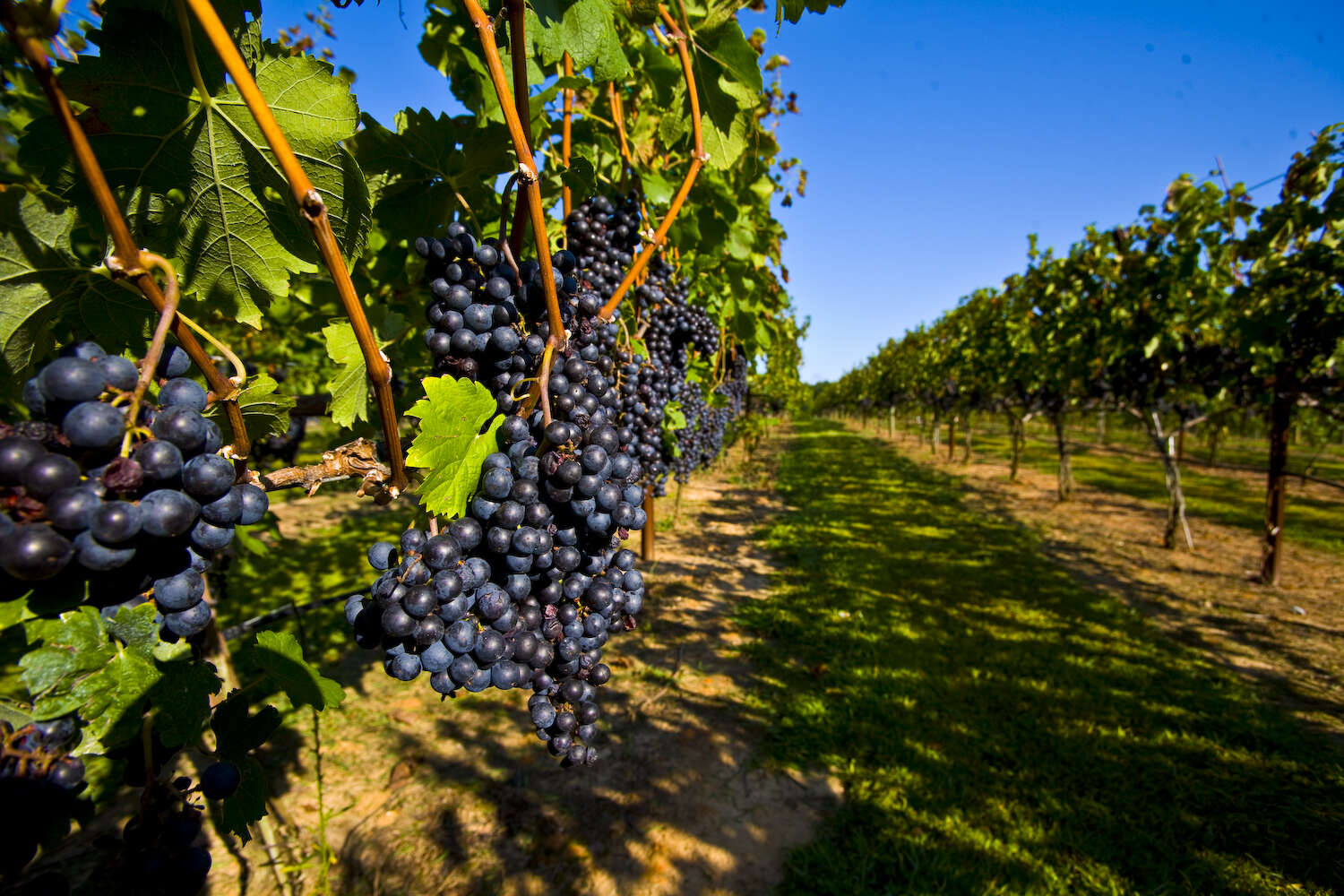
We are used to knowing Christ as a very skilled storyteller, capable to give wings to our imagination through the poetic metaphors he chooses. And yet there is a good amount of sadness in the parable of Jesus in today’s gospel. It is known as the parable of the wicked tenants, or even the killer tenants. The location is a vineyard where a vine has been planted. The vineyard represents the people of God, Israel, and the prophet Isaiah in the first reading tells us that it has been entrusted to the care of the religious leaders.
In this allegory the characters are: God who sends his servants (the prophets of the First Testament) to the peasants (religious leaders) who rejected them and even killed them. Just as the prophets had been rejected, also Jesus is facing refusal by those in authority. He knows they are planning his assassination. The evangelist places in the mouth of Christ the words of Psalm 118: “The stone the builders rejected has become the cornerstone”. The same psalm continues at verse 26: “Blessed is he who comes in the name of the Lord”. Therefore this passage of the bible is of great encouragement to us, even when we face opposition because of our faith. What is not welcomed by the majority is not necessarily wrong. Even a stone that did not pass the engineers’ selection, can be chosen by God to support the weight of a majestic building.
Matthew affirms that the messianic mission of Christ and his glory must pass through suffering and death. It is the logic of the new order of things: what is discarded becomes an essential element of construction, what is dead becomes the beginning of life. Broken bread is the nourishment of the new Israel, the wine that is poured is the spiritual drink of those who thirst for the justice of the kingdom. Christians who are not willing to accept the sufferings that come because of our faith and even face death for fidelity to the gospel have not even begun to live, so the invitation to conversion is constant and pressing.
We are guided by the testimony of Frs. Ottorino Maule and Aldo Marchiol who, together with Catina, the lay woman who had dedicated her life to the gospel, were faithful the their mission until their martyrdom 25 years ago, September 30, 1995 in Burundi. They laid down their lives, as good shepherds of the flock.
The second reading discloses to us the secret about how we can bear good fruit as vineyard of the Lord: “Fill your minds with everything that is true, everything that is noble, everything that is good and pure, everything that we love and honour, and everything that can be thought virtuous or worthy of praise”. Let our interests be noble.
October 4th is also the annual feast of St. Francis of Assisi: we wish pope Francis a blessed Patron saint day.
Comment of the Readings of the 27th Sunday OT – Year A
Fr. Michael Carlini sx
We are used to knowing Christ as a very skilled storyteller, capable to give wings to our imagination through the poetic metaphors he chooses. And yet there is a good amount of sadness in the parable of Jesus in today’s gospel. It is known as the parable of the wicked tenants, or even the killer tenants. The location is a vineyard where a vine has been planted. The vineyard represents the people of God, Israel, and the prophet Isaiah in the first reading tells us that it has been entrusted to the care of the religious leaders.
In this allegory the characters are: God who sends his servants (the prophets of the First Testament) to the peasants (religious leaders) who rejected them and even killed them. Just as the prophets had been rejected, also Jesus is facing refusal by those in authority. He knows they are planning his assassination. The evangelist places in the mouth of Christ the words of Psalm 118: “The stone the builders rejected has become the cornerstone”. The same psalm continues at verse 26: “Blessed is he who comes in the name of the Lord”. Therefore this passage of the bible is of great encouragement to us, even when we face opposition because of our faith. What is not welcomed by the majority is not necessarily wrong. Even a stone that did not pass the engineers’ selection, can be chosen by God to support the weight of a majestic building.
Matthew affirms that the messianic mission of Christ and his glory must pass through suffering and death. It is the logic of the new order of things: what is discarded becomes an essential element of construction, what is dead becomes the beginning of life. Broken bread is the nourishment of the new Israel, the wine that is poured is the spiritual drink of those who thirst for the justice of the kingdom. Christians who are not willing to accept the sufferings that come because of our faith and even face death for fidelity to the gospel have not even begun to live, so the invitation to conversion is constant and pressing.
We are guided by the testimony of Frs. Ottorino Maule and Aldo Marchiol who, together with Catina, the lay woman who had dedicated her life to the gospel, were faithful the their mission until their martyrdom 25 years ago, September 30, 1995 in Burundi. They laid down their lives, as good shepherds of the flock.
The second reading discloses to us the secret about how we can bear good fruit as vineyard of the Lord: “Fill your minds with everything that is true, everything that is noble, everything that is good and pure, everything that we love and honour, and everything that can be thought virtuous or worthy of praise”. Let our interests be noble.
October 4th is also the annual feast of St. Francis of Assisi: we wish pope Francis a blessed Patron saint day.