
Fr. Jerome Pistoni sx
26th SUNDAY IN ORDINARY TIME YEAR A
Reflection by Fr. Jerome Pistoni sx
Carlo Maria Martini, a renowned theologian, archbishop of Milan for 22 years, said: ‘The great difference in the world is not between believers and non-believers, but between those who think and those who do not think.
In this 26th Sunday in Ordinary Time Jesus begins his instruction by saying: “What do you think?” He is practically saying: "for once put aside your religious dogmas and be open minded."
He tells them one more parable in order to shed more light on the reality of the Kingdom of God.
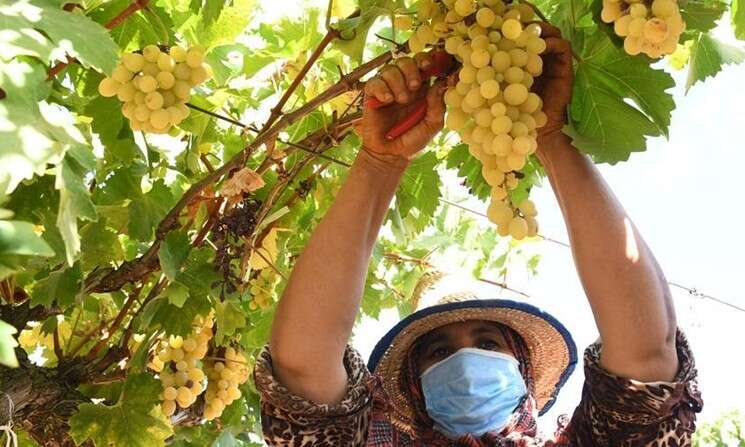
Again, like in the parable of last Sunday, the main actor is the owner of a vineyard who needs manpower for his vineyard.
This time the landlord does not go to the market place to look for labourers, but he asks his two sons to go to work in the vineyard.
Both lads are naughty: the first one is disobedient, the second one is a liar.
The first behaves rather shamelessly. He challenges the authority of the father and refuses to go to the farm. He is a rebellious son. Why is he rejecting the request of the papa? We do not know. Maybe he believes that his dad has enough money to pay labourers, therefore the sons should be spared the humiliation of being treated as mere workers: there is no need to annoy the sons and send them to work for 12 hours under a scorching sun. Or maybe the father has no intention to pay them at all since they also are part of the family and so co-owners of the vineyard.
This rebellious son, later, started ‘thinking’ - as Jesus had asked the pharisees to do - and changes his mind, and, out of respect for his father, he eventually obeys him and goes to the vineyard. This part of the story has a good ending. The beginning was a disaster, but the conclusion is a success.
The second son, by words, obeys the father. He gives an answer that does not surprise us: he seems eager to go and take upon himself the burden of the work. What is shocking and painful is that after leaving the father he does not go to the farm. Externally, by words, he promises to go, but in fact he does not keep his promise. Why does he change his mind?
Probably he never changed his mind; he just had no intention to go from the very beginning, but only wanted to please his father. He said yes only to appear good and obedient, but had no intention to go to work in the vineyard.
Which of the two sons can we compare with? Are we obedient in reality or only in appearance?
Jesus gives us the answer. The disobedient son represents the tax collectors and the prostitutes of the time. Their life was a shamble, in practice they ignored God's laws, but, after hearing the word of God through John the Baptist, they were touched in their heart and repented.
The tax collectors and prostitutes of today are all those people who do not want to go to church. They are those who live as if God did not exist, following their own inclinations and self-made beliefs. They are just waiting, without knowing, some modern John the Baptist who may enkindle in their heart the desire for God.
The second son represents the pharisees, those who outwardly make a show of observance to God's laws, but who secretly and in reality infringe them without shame. We, who share regularly in church activities, people participating in the Sunday mass, can become like the second son.
When we were baptised, for six times, we made the promise to God to be faithful to him and "to go to his vineyard". We made three renunciations: "do you reject sin and evil and Satan? We answered: yes, I do".
Then we made three times the profession of faith: "do you believe in the Father, in Christ and in the Holy Spirit? We answered: Yes I do!!! "
After the Baptism we have attended Mass every Sunday, listening to the word of God and promising to live it in our daily life.
Do we really keep our promises? If not, we have become like the disobedient and rebellious son. Let us really try, we too, like the naughty son, think, reconsider and return back to the vineyard and to the Father.
26th SUNDAY IN ORDINARY TIME YEAR A
Reflection by Fr. Jerome Pistoni sx
Carlo Maria Martini, a renowned theologian, archbishop of Milan for 22 years, said: ‘The great difference in the world is not between believers and non-believers, but between those who think and those who do not think.
In this 26th Sunday in Ordinary Time Jesus begins his instruction by saying: “What do you think?” He is practically saying: "for once put aside your religious dogmas and be open minded."
He tells them one more parable in order to shed more light on the reality of the Kingdom of God.
Again, like in the parable of last Sunday, the main actor is the owner of a vineyard who needs manpower for his vineyard.
This time the landlord does not go to the market place to look for labourers, but he asks his two sons to go to work in the vineyard.
Both lads are naughty: the first one is disobedient, the second one is a liar.
The first behaves rather shamelessly. He challenges the authority of the father and refuses to go to the farm. He is a rebellious son. Why is he rejecting the request of the papa? We do not know. Maybe he believes that his dad has enough money to pay labourers, therefore the sons should be spared the humiliation of being treated as mere workers: there is no need to annoy the sons and send them to work for 12 hours under a scorching sun. Or maybe the father has no intention to pay them at all since they also are part of the family and so co-owners of the vineyard.
This rebellious son, later, started ‘thinking’ - as Jesus had asked the pharisees to do - and changes his mind, and, out of respect for his father, he eventually obeys him and goes to the vineyard. This part of the story has a good ending. The beginning was a disaster, but the conclusion is a success.
The second son, by words, obeys the father. He gives an answer that does not surprise us: he seems eager to go and take upon himself the burden of the work. What is shocking and painful is that after leaving the father he does not go to the farm. Externally, by words, he promises to go, but in fact he does not keep his promise. Why does he change his mind?
Probably he never changed his mind; he just had no intention to go from the very beginning, but only wanted to please his father. He said yes only to appear good and obedient, but had no intention to go to work in the vineyard.
Which of the two sons can we compare with? Are we obedient in reality or only in appearance?
Jesus gives us the answer. The disobedient son represents the tax collectors and the prostitutes of the time. Their life was a shamble, in practice they ignored God's laws, but, after hearing the word of God through John the Baptist, they were touched in their heart and repented.
The tax collectors and prostitutes of today are all those people who do not want to go to church. They are those who live as if God did not exist, following their own inclinations and self-made beliefs. They are just waiting, without knowing, some modern John the Baptist who may enkindle in their heart the desire for God.
The second son represents the pharisees, those who outwardly make a show of observance to God's laws, but who secretly and in reality infringe them without shame. We, who share regularly in church activities, people participating in the Sunday mass, can become like the second son.
When we were baptised, for six times, we made the promise to God to be faithful to him and "to go to his vineyard". We made three renunciations: "do you reject sin and evil and Satan? We answered: yes, I do".
Then we made three times the profession of faith: "do you believe in the Father, in Christ and in the Holy Spirit? We answered: Yes I do!!! "
After the Baptism we have attended Mass every Sunday, listening to the word of God and promising to live it in our daily life.
Do we really keep our promises? If not, we have become like the disobedient and rebellious son. Let us really try, we too, like the naughty son, think, reconsider and return back to the vineyard and to the Father.