
Fr. Adolph Guy sx
1st Sunday of Lent - Cycle B
1st Sunday of Lent - Cycle B
On this first Sunday of Lent, I would like to share with you about the inner meaning of the season of Lent for our Christian life, in line with the message of Pope Francis for this season of Lent and in the light of the book of Genesis that we are reading these days and particularly the excerpt on Noah and the flooding in today’s first reading.
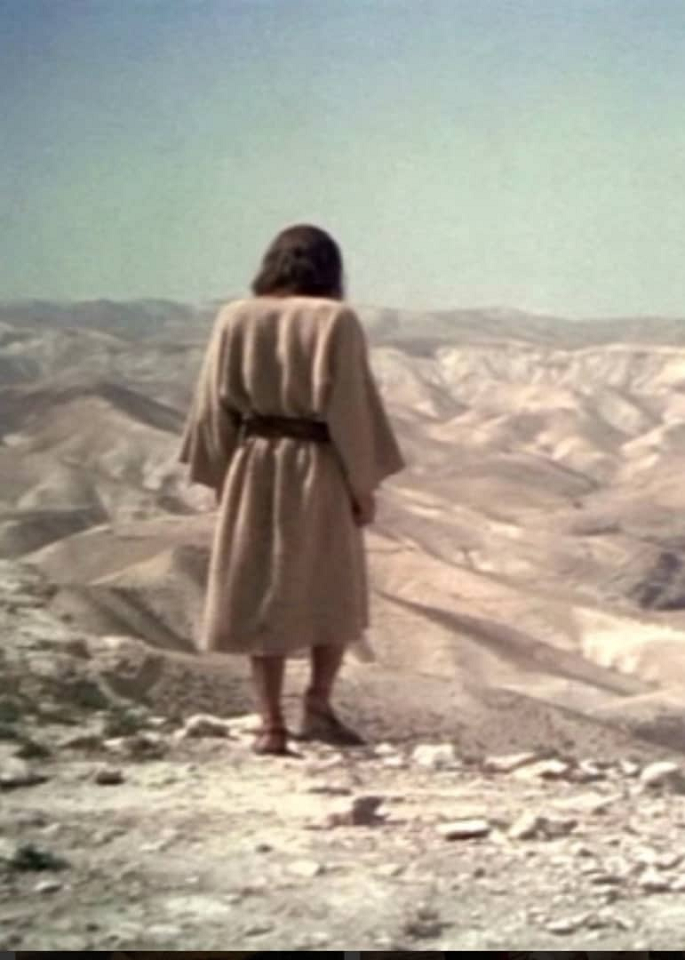
Let us start with today’s gospel. We have just heard: The Spirit drove Jesus out into the wilderness and he remained there for forty days, and was tempted by Satan. In the meditation book Holy Days, Pope Benedict XVI revisited this truth in the following terms: “Lent recalls to us the forty days of fasting that the Lord underwent in the desert, prior to commencing his public mission.”
The Bible uses the number forty to name a definite period of time, in other terms a period distinct from the previous as well as the next. To name but just a few passages: Moses spent forty days and nights on Mount Sinai (Exodus 34:28); the Israelites journeyed forty years in the wilderness to reach the holy land (Exodus 16:35); Jonah warned the city of Nineveh: “Forty days more, and Nineveh shall be overthrown” (Jonah 3:4). Going back to Noah, last Tuesday, we heard that God decided to clean the earth of its wickedness. God made rain fall upon the earth for forty ‘days and night’.
As a period of time, forty days of lent are ample enough to enable us clean up our lives from all sorts of bad habits and practices that might be turning up into addictions. These things or practices one is addicted to usually become little gods that one might have built for oneself perhaps unconsciously. Some of us might have become totally dependent on materials things, practices and activities that lead them away from the true God. In one way or another, each one of us is addicted to something. To clean ourselves up, the church puts at our disposal three penitential practices, namely prayer, fasting and almsgiving.
We go back to God through prayer and, for some of us who might have taken some time to go to confession; the liturgy enjoins them to celebrate this sacrament at this particular season. Fasting empowers us to resist sin, frees our hearts, and compels us to give alms to our brothers and sisters who are in need. Living in a Muslim dominated region, most of us put our attention mainly in fasting, literally, renouncing to food and drink. However, the three practices proposed by the Church are all interconnected. We fast in the mood of prayer and in solidarity with our brothers and sisters in need. Similarly, we deny ourselves of some advantages and favors because we want to share them with the poor.
If we take our Lenten Season seriously by following what the Church advises us to do, the Easter celebration will seal our friendship with God like a new covenant between each of us and God as it happened to Noah after the flood in the first reading. Pope Francis thus urges us earnestly: “At the Easter vigil, we will renew our baptismal promises and experience rebirth as new men and women by the working of the Holy Spirit. This Lenten journey, like the entire pilgrimage of the Christian life, is even now illumined by the light of the resurrection, which inspires the thoughts, attitudes and decisions of the followers of Christ.”
On this first Sunday of Lent, I would like to share with you about the inner meaning of the season of Lent for our Christian life, in line with the message of Pope Francis for this season of Lent and in the light of the book of Genesis that we are reading these days and particularly the excerpt on Noah and the flooding in today’s first reading.
Let us start with today’s gospel. We have just heard: The Spirit drove Jesus out into the wilderness and he remained there for forty days, and was tempted by Satan. In the meditation book Holy Days, Pope Benedict XVI revisited this truth in the following terms: “Lent recalls to us the forty days of fasting that the Lord underwent in the desert, prior to commencing his public mission.”
The Bible uses the number forty to name a definite period of time, in other terms a period distinct from the previous as well as the next. To name but just a few passages: Moses spent forty days and nights on Mount Sinai (Exodus 34:28); the Israelites journeyed forty years in the wilderness to reach the holy land (Exodus 16:35); Jonah warned the city of Nineveh: “Forty days more, and Nineveh shall be overthrown” (Jonah 3:4). Going back to Noah, last Tuesday, we heard that God decided to clean the earth of its wickedness. God made rain fall upon the earth for forty ‘days and night’.
As a period of time, forty days of lent are ample enough to enable us clean up our lives from all sorts of bad habits and practices that might be turning up into addictions. These things or practices one is addicted to usually become little gods that one might have built for oneself perhaps unconsciously. Some of us might have become totally dependent on materials things, practices and activities that lead them away from the true God. In one way or another, each one of us is addicted to something. To clean ourselves up, the church puts at our disposal three penitential practices, namely prayer, fasting and almsgiving.
We go back to God through prayer and, for some of us who might have taken some time to go to confession; the liturgy enjoins them to celebrate this sacrament at this particular season. Fasting empowers us to resist sin, frees our hearts, and compels us to give alms to our brothers and sisters who are in need. Living in a Muslim dominated region, most of us put our attention mainly in fasting, literally, renouncing to food and drink. However, the three practices proposed by the Church are all interconnected. We fast in the mood of prayer and in solidarity with our brothers and sisters in need. Similarly, we deny ourselves of some advantages and favors because we want to share them with the poor.
If we take our Lenten Season seriously by following what the Church advises us to do, the Easter celebration will seal our friendship with God like a new covenant between each of us and God as it happened to Noah after the flood in the first reading. Pope Francis thus urges us earnestly: “At the Easter vigil, we will renew our baptismal promises and experience rebirth as new men and women by the working of the Holy Spirit. This Lenten journey, like the entire pilgrimage of the Christian life, is even now illumined by the light of the resurrection, which inspires the thoughts, attitudes and decisions of the followers of Christ.”